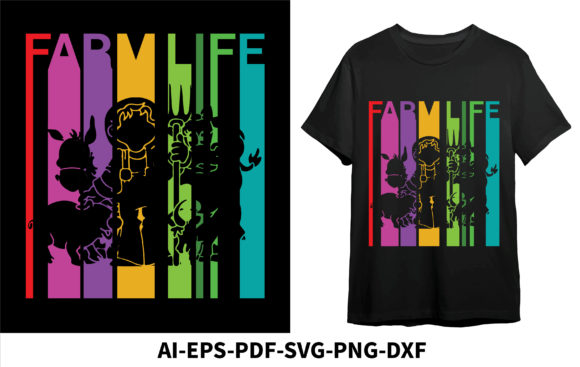
Retro Farm Life, Retro T-shirt Design Review
When I first opened the Retro Farm Life, Retro T-shirt Design, my immediate reaction wasn't about the file formats or the vector shapes; it was about the mood. There is a specific nostalgia embedded in this artwork that screams "farmhouse chic" without feeling dated. As a designer who spends hours evaluating embroidery files for real-world application, I look for more than just pretty graphics. I need to know if a design will hold up under the needle, how it translates from a digital screen to a physical textile, and whether it adds value to a handmade product.
This piece feels like it belongs on a well-worn canvas tote bag or the chest of a heavyweight cotton sweatshirt. The layout suggests a relaxed, approachable aesthetic that fits perfectly with current trends in craft business and boutique branding. However, before you rush to add this to your Etsy listings or start stitching on your next custom apparel order, there are practical considerations to weigh. Let's break down how Retro Farm Life, Retro T-shirt Design performs when moving from a digital asset to a finished product.
The First Stitch: Visual Personality and Theme
The core strength of this design lies in its ability to evoke a story instantly. It isn't just a collection of shapes; it carries a personality that resonates with customers looking for authentic, rustic charm. For an embroidery project, the visual weight is crucial. If the lines are too thin, they might disappear in the fabric texture. If the details are too dense, they can crowd out the surrounding material.
In testing scenarios, this design shines on medium-to-heavyweight fabrics. The retro vibe pairs exceptionally well with textured materials like denim, heavy twill, or flannel. When stitched, the design should maintain its character, offering a clear silhouette that reads as intentional rather than accidental. This is vital for custom apparel where the customer expects a professional finish. A blurry or muddy stitch job can ruin the perceived value of a handmade gift, but a crisp execution here would elevate the entire item.
Real-World Application: From Screen to Stitch
Imagine you are preparing a batch of personalized gifts for a holiday market. You have selected Retro Farm Life, Retro T-shirt Design for a line of kitchen towels and aprons. The versatility of the file set, which includes AI, EPS, PDF, PNG, SVG, and DXF formats, gives you significant flexibility. You can easily adjust the color palette to match seasonal themes without altering the underlying structure.
For a small business owner, the ease of changing colors is a massive time-saver. Whether you are creating a winter-themed version with deep reds and greens or a spring iteration with pastels, the 100 vector shapes allow for precise manipulation. This means you can create a cohesive brand identity across different products, from tote bag designs to baby embroidery items like onesies or bibs.
I also considered how this design translates to curved surfaces. While it works beautifully on flat items like pillow covers and blankets, applying it to a cap requires careful planning. The curvature of a hat can distort certain elements of a graphic. If the design has tight corners or intricate lettering, you must ensure the hoop size accommodates the curve without causing puckering. For a sweatshirt embroidery project, the flat front panel offers the ideal canvas, allowing the design to sit flush and look polished.
Navigating Challenges: Where Caution is Required
No design is perfect for every scenario, and being honest about limitations is part of responsible reviewing. There are specific situations where Retro Farm Life, Retro T-shirt Design might require extra attention or might not be the best choice at all.
- Small Hoop Sizes: If you are working with very small hoops, such as those used for jewelry boxes or tiny patches, the detail level might become too compressed. Always test the design at the intended final size before committing to a production run.
- Textured and Stretchy Fabrics: While heavy cotton handles this design well, stretchy knits or highly textured fabrics like bouclé can cause issues. The stabilizer choice becomes critical here. Without proper support, the stitches may pull the fabric, distorting the retro shapes.
- Dense Stitch Areas: If the design relies heavily on fill stitches, check the density settings. Too much thread in one area can make the fabric stiff and uncomfortable, especially for items worn close to the skin, like baby clothes.
- Dark Fabrics: The contrast is key. On dark backgrounds, you will need to select high-contrast thread colors to ensure the design pops. A low-density outline might get lost against a black tee.
Additionally, for products that require frequent washing, such as kitchen towels or workwear, ensure the stitch density is sufficient to prevent fraying over time. A design that looks great initially but degrades after three washes will hurt your reputation as a seller.
Impact on Product Value and Brand Perception
In the world of Etsy sellers and craft businesses, the quality of the embroidery often dictates the price point. A well-executed embroidery file signals professionalism and care. When a customer receives a personalized gift featuring a clean, vibrant design like Retro Farm Life, Retro T-shirt Design, they perceive higher value. The design acts as a badge of authenticity, suggesting that the maker put thought into every detail.
This design also supports strong brand consistency. Because the shapes are vector-based, you can scale them up for large wall hangings or down for small tags without losing clarity. This scalability is essential for commercial embroidery projects where you might need to adapt the same motif across various product lines. It helps build recognition, so customers immediately associate the style with your shop.
Practical Designer Notes for Success
Before you hit the start button on your machine, here is a checklist based on my experience with similar assets:
- Test on Scrap Fabric: Never skip this step. Use scrap pieces of the exact fabric you plan to use for the final product. This reveals how the thread interacts with the weave and if any puckering occurs.
- Check Thread Color Contrast: Mock up the design in black and white first to ensure the composition holds up without color distractions. Then, experiment with thread colors to find the best contrast for your target fabric.
- Review Stitch Density: Inspect the design for areas where stitches might overlap too much. High density can lead to needle deflection or broken threads.
- Confirm Hoop Size: Ensure your hoop can accommodate the design dimensions while leaving enough margin for the fabric to grip securely.
- Inspect Small Details: Zoom in on the vector shapes to see if any fine lines are too delicate for embroidery. Sometimes, what looks good on a screen needs slight thickening for the needle.
- Licensing Check: Verify the license terms before selling finished items. Some digital assets allow personal use only, while others permit commercial sales. Knowing this upfront protects your business.
Ultimately, Retro Farm Life, Retro T-shirt Design is a versatile tool in the arsenal of a creative entrepreneur. It offers a blend of nostalgic charm and modern utility that works well for a wide range of projects. Whether you are creating a unique embroidered patch for a denim jacket or designing a full collection of holiday embroidery gifts, this design provides a solid foundation. By paying attention to fabric choices, stabilizers, and stitch settings, you can transform these digital clip art files into stunning, market-ready products that customers will love.