Retro Gone Squatchin Bigfoot Sasquatch
As a designer who spends more time in the hoop than on the computer, I approach every new file with a mix of excitement and skepticism. The market is flooded with digital assets, but finding one that translates well from a screen to a finished stitched piece is rare. Recently, I pulled up the Retro Gone Squatchin Bigfoot Sasquatch design to test its viability for a real-world client project: a limited run of custom embroidered tote bags for a local outdoor gear shop. My goal was to see if this embroidery file could hold up to the rigors of daily use while maintaining that nostalgic charm it promises.
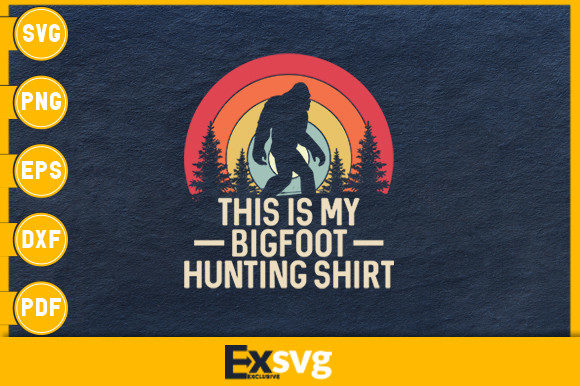
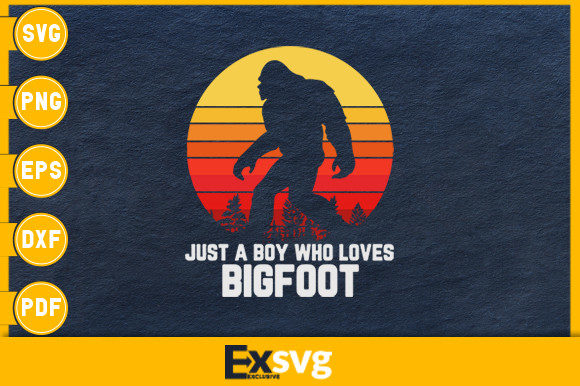
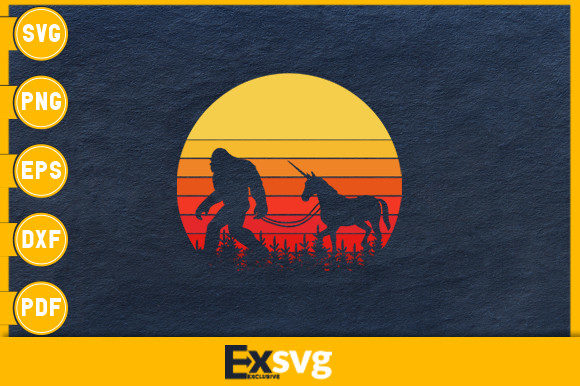
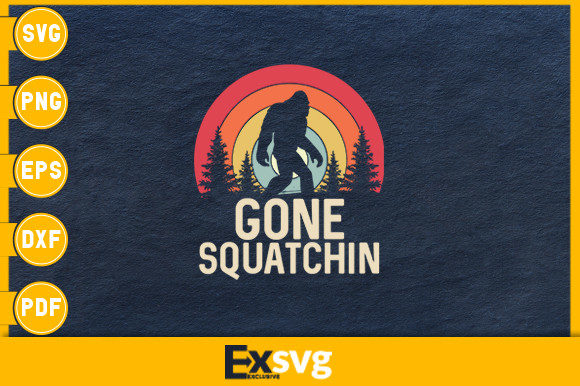
The first impression of Retro Gone Squatchin Bigfoot Sasquatch is immediate and distinct. It doesn't try to be hyper-realistic; instead, it leans heavily into a vintage aesthetic that feels warm and inviting. The shape creates a strong silhouette that works well as a standalone focal point. For an embroidery project, this visual personality is crucial because it needs to read clearly even when rendered in thread. The layout suggests a playful mood, perfect for items like baby clothes, holiday gifts, or boutique branding where you want to evoke a sense of fun rather than corporate seriousness.
Real-World Application: From Screen to Stitch
In my testing phase, I imagined how this design would function on various substrates. The concept of "Squatchin" implies movement and outdoorsy vibes, making it a natural fit for durable goods. I decided to mock up a scenario involving a heavy-duty canvas tote bag. This is a common request for Etsy sellers and small business owners looking to create unique merchandise. When I visualized the Retro Gone Squatchin Bigfoot Sasquatch design on the front panel of a tote, the retro style stood out against the textured fabric without getting lost in the weave.
However, not all projects are created equal. If I were considering this for a sweatshirt embroidery project, I would need to be mindful of the fabric stretch. While the design has a solid core, applying dense fill stitches on a soft cotton blend can sometimes lead to puckering if the stabilizer isn't chosen correctly. On a cap or hat, the curved surface adds another layer of complexity. The design's contours need to follow the curve of the brim and crown smoothly. In this specific case, Retro Gone Squatchin Bigfoot Sasquatch might require careful placement to ensure the lettering remains legible and the figure doesn't look distorted.
For those of us selling handmade products, the visual appeal of the finished product is everything. A design like this can significantly boost customer trust and engagement. It signals that the maker cares about aesthetics and has selected a theme that resonates with specific subcultures, like cryptozoology enthusiasts or fans of vintage Americana. When a buyer sees a high-quality execution of Retro Gone Squatchin Bigfoot Sasquatch on a personalized gift, they perceive higher value. It transforms a generic item into a statement piece that feels curated and thoughtful.
Navigating Technical Challenges
While the artistic direction is promising, practical application requires caution. There are specific scenarios where this design should be used carefully. Small hoop sizes are a primary concern. If the design contains intricate details or tiny lettering, shrinking it down to fit a 4x4 hoop can result in muddy stitching. The satin stitch areas might lose their crisp edges, and the fill stitch density could become too thick, causing the fabric to pucker or the needle to break.
Fabric texture also plays a major role. Textured fabrics like terry cloth or loose-weave linen can hide the finer lines of the design. Conversely, thin fabrics might not support the weight of the thread required for a bold, retro graphic. Stretchy fabrics present their own nightmare; unless you are using a cut-away stabilizer and have significant experience with tension settings, the design may distort after washing. Dark fabrics are another consideration. To make Retro Gone Squatchin Bigfoot Sasquatch pop, you will likely need a high-density underlay or a contrasting thread color scheme. Without proper planning, the colors might blend together, losing the intended retro contrast.
I also had to consider the longevity of the project. Products that need frequent washing, such as kitchen towels or aprons, undergo significant stress. If the design is too large or the stitch density is too aggressive, the threads may pull or the fabric may tear over time. For these applications, verifying the stitch count and ensuring the design is optimized for durability is non-negotiable. If you are creating an embroidered patch, the backing material must be sturdy enough to handle the edge-to-edge coverage often found in retro-style graphics.
Designer Notes for Success
Before committing to a full production run, there are several steps every professional designer should take. First, always test the design on scrap fabric that matches your final substrate. This allows you to check thread color contrast and review stitch density in real-time. You need to see how the Retro Gone Squatchin Bigfoot Sasquatch design behaves when the needle penetrates the material. Does it shift? Does the bobbin thread show through?
Inspecting small details is critical. Zoom in on the digital preview and look for any tiny corners or fine lines that might not translate well to thread. Sometimes, what looks good on a monitor disappears once stitched. Using a running stitch for outlines can help define shapes, but if the line is too thin, it might get lost in the fill. Confirm your hoop size early in the process. If the design exceeds your machine's capabilities, you may need to split the file or adjust the scale, which can impact the overall look.
Testing in black and white mockups is a great trick to ensure the design has enough contrast before you even thread the machine. Compare light and dark fabric backgrounds to see how the thread colors interact. Use the proper stabilizer for the job; a tear-away might work for a pillow cover, but a cut-away is essential for a hat or a garment that will be stretched. Finally, check whether the design works for both personal and commercial projects. Licensing terms vary, and as a creative entrepreneur, you cannot afford legal headaches. Confirm the license before selling finished items or digital products.
If you are an Etsy seller or a small shop product creator, understanding these nuances separates a hobbyist from a pro. The Retro Gone Squatchin Bigfoot Sasquatch design offers a fantastic opportunity to create memorable items, but only if you respect the technical limitations of machine embroidery. Whether you are making a nursery decor piece, a holiday gift, or a commercial embroidery asset, taking the time to plan ensures your final product reflects the quality of your brand.
Ultimately, the decision to use this digital embroidery file comes down to your specific workflow and the intended end-use. It fits perfectly into categories like tote bag design, sweatshirt embroidery, and baby embroidery, provided you manage the fabric and stabilizer choices wisely. By treating the design with the same care you would give any other design asset, you can turn a simple graphic into a cherished handmade product that customers will love.