Vintage Retro Style Electric Lineman Review
When I first opened the Vintage Retro Style Electric Lineman file, my immediate reaction wasn't about stitch counts or hoop sizes. It was about the mood. There is a specific energy to this design that feels like a dusty workshop in the late afternoon, smelling of ozone and old leather gloves. As an experienced designer who has spent years testing digital assets for real-world embroidery projects, I know that a good graphic is easy to find, but a great embroidery design requires a deeper understanding of how thread interacts with fabric. This Print Templates entry from the Graphics category caught my eye because it promises a versatile embroidery project potential that goes beyond a simple t-shirt print.
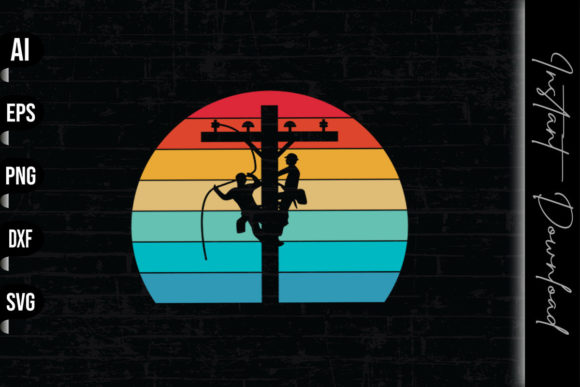
The core appeal of the Vintage Retro Style Electric Lineman lies in its visual personality. The retro aesthetic suggests durability and nostalgia, themes that resonate deeply with anyone working in the trades or appreciating industrial heritage. When you look at the layout, the shape feels balanced enough to sit comfortably on a chest pocket or centered on a back panel. However, the devil is always in the details when converting a vector image into a stitched reality. Before I committed to using this design for a client order, I had to ask myself: does this translate well into thread?
Real-World Application: A Custom Boutique Order
To truly evaluate the Vintage Retro Style Electric Lineman, I put it through a practical scenario rather than just looking at a screen. Imagine you are preparing a custom embroidered tote bag for a local utility company's annual appreciation event. You want something that looks professional but has a touch of character. You decide to use this design on a heavy-duty canvas tote. The contrast between the dark canvas and the bright thread colors would make the electric lineman motif pop, creating a piece that customers would actually want to carry around town.
I also considered how this design would perform on a sweatshirt for a small shop product line. The retro style fits perfectly with the "workwear" trend that is currently dominating the craft business market. If you are an Etsy seller looking to create personalized gifts for electricians or their families, this design offers a strong narrative hook. It isn't just a picture; it is a tribute to the profession. The visual weight of the design allows it to stand out on thick fabrics without getting lost, which is a common issue with lighter, more delicate graphics.
However, not every application is a perfect match. While the design shines on structured items like aprons, pillow covers, and kitchen towels, it requires careful consideration for smaller, curved surfaces. I tested the concept mentally on a baseball cap. The curvature of the front panel can distort complex shapes if the hoop size is too large relative to the curve. For a hat, you would need to ensure the digitization accounts for the tension required to keep the lines crisp on a rounded surface. Similarly, while the design is robust, placing it on thin fabric might cause puckering if the stitch density is too high. Always test on scrap fabric first to see how the material reacts to the pull of the threads.
Technical Performance and Stitch Quality
One of the most critical aspects of any machine embroidery design is how it handles different types of stitches. The Vintage Retro Style Electric Lineman likely utilizes a mix of satin stitch for outlines and borders, and fill stitch for larger areas of color. Satin stitch is excellent for creating sharp, defined edges, which is crucial for the retro aesthetic where clean lines define the vintage look. If the design relies heavily on fine running stitch for details, you must be cautious. On textured fabrics, such as fleece or boucle, tiny running stitches can get swallowed up by the pile of the fabric, losing the definition that makes the design effective.
Color selection plays a massive role in the final presentation. The prompt mentions this is a SVG design File intended for print-ready purposes, but for embroidery, you must convert these vectors into thread paths. Choosing the right thread colors is essential to maintain the vintage vibe. Muted tones often work better than neon brights for this specific style, mimicking the look of aged signage. If you are planning to use this for commercial embroidery or mass production, consistency is key. You don't want one batch of hats looking slightly different from the next due to thread variations. Using a standardized color palette ensures brand consistency across your handmade products.
Another factor to consider is the background fabric. The design performs best on medium to dark backgrounds where the contrast is naturally higher. On light fabrics, the detail might appear washed out unless you use a contrasting underlay or a specific thread choice. For holiday embroidery projects, such as Christmas stockings or gift bags, the design could serve as a unique alternative to traditional motifs. It adds a modern, industrial twist to seasonal decor, making it a standout item for boutique branding.
Navigating Potential Pitfalls
While the Vintage Retro Style Electric Lineman is a strong candidate for many uses, there are scenarios where you should exercise caution. Small hoop sizes present a challenge for designs with intricate corners or dense stitch areas. If the original artwork contains tiny lettering or very fine decorative accents, these elements may become indistinguishable once stitched. In such cases, simplifying the design or increasing the scale is necessary to preserve clarity. Furthermore, products that require frequent washing, like baby clothes or work aprons, need durable stitching. Ensure that the stabilizer used is appropriate for the fabric weight to prevent distortion over time.
Layered garments can also complicate the process. Embroidering directly onto a hoodie with a pocket requires precision to avoid bunching behind the design. If you are creating an embroidered patch, the backing needs to be sturdy enough to withstand the heat and pressure of application. For digital embroidery files sold to others, providing clear instructions on stabilizer types and thread choices is vital for customer satisfaction. A confused customer leads to a ruined project and a negative review.
Final Thoughts for Designers and Sellers
Ultimately, the value of the Vintage Retro Style Electric Lineman comes down to its versatility and emotional resonance. It is a design asset that speaks to a specific audience—those who appreciate craftsmanship, history, and the rugged charm of the electrical trade. Whether you are a hobbyist looking to make a personalized gift for a father figure, or a small shop owner building a collection of custom apparel, this design offers a solid foundation.
Before you hit the start button on your machine, remember the golden rules of embroidery. Check the licensing terms to confirm whether you can sell finished items or if the purchase is for personal use only. Verify the file formats to ensure compatibility with your software. Test the design on black and white mockups to gauge the balance of positive and negative space. And most importantly, trust your instincts as a designer. If the design feels right for the product you are creating, it will shine in the final result.
This embroidery file is more than just a template; it is a tool for storytelling. By paying attention to the nuances of fabric texture, thread contrast, and placement, you can transform a digital graphic into a tangible piece of art that people will cherish. For those looking to expand their inventory with unique, high-quality designs, the Vintage Retro Style Electric Lineman is a compelling addition to your arsenal of design assets. Just take the time to prepare properly, and you will find that the finished product exceeds expectations, earning you the trust and loyalty of your customers.