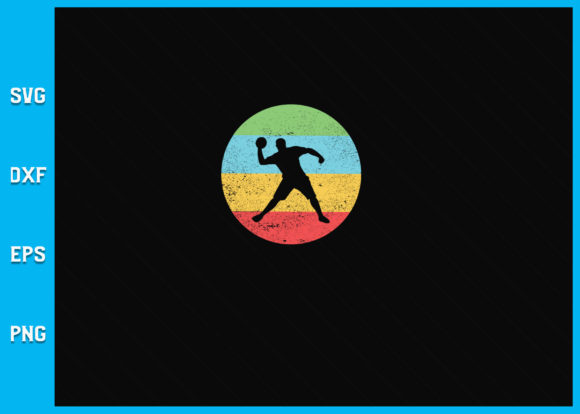
Dodgeball Vintage Retro Dodgeball Player Review
When I first opened the Dodgeball Vintage Retro Dodgeball Player file, my immediate reaction was one of nostalgia mixed with a practical designer's curiosity. There is something undeniably charming about vintage aesthetics that speak to generations, but as someone who has stitched thousands of designs for clients and personal projects, I know that "vintage" can sometimes mean "too detailed for a small hoop." I wanted to see if this design could stand up to real-world embroidery challenges or if it was just another pretty image destined for a digital mockup.
The mood this design creates is energetic yet classic. It feels like a throwback to school gym classes and summer camp reunions. The layout suggests a central figure that commands attention without being overwhelming. For an embroidery designer, the initial visual assessment is crucial because it dictates how the final product will be perceived by customers. Does it look professional? Is it playful enough for a child's item but cool enough for an adult enthusiast? Dodgeball Vintage Retro Dodgeball Player strikes a balance that makes it versatile for various creative ventures.
Real-World Application: From Screen to Stitch
Let's imagine a scenario where I am preparing for a busy craft fair season. I need to create a line of custom apparel that appeals to both hobbyists and competitive players. I decide to use the Dodgeball Vintage Retro Dodgeball Player design on a high-quality cotton tote bag for a boutique client. The goal is to create a product that feels handmade and authentic, not mass-produced.
In this context, the design performs admirably. The retro style translates well into thread colors. When I selected a heather grey fabric and paired it with white and navy blue threads, the contrast was sharp and clean. The vintage aesthetic allows for some flexibility in color choices; you don't have to stick to bright primary colors to make it pop. However, the success of this project relied heavily on the stability of the fabric. A canvas tote provides the perfect rigid surface for a machine embroidery design, ensuring that the stitches lay flat and the details remain crisp.
I also considered using this design for a baby sweatshirt. Parents love personalized gifts, and a cute, slightly humorous graphic like a dodgeball player adds personality to nursery decor or children's clothing. The design's simplicity ensures that even on a smaller garment, the imagery remains recognizable. It avoids the trap of becoming a blurry mess when scaled down, which is a common issue with complex vector graphics converted into embroidery files.
Where This Design Shines
- Tote Bags and Aprons: The sturdy nature of these items complements the bold lines of the retro player. It works perfectly as a statement piece on the front pocket of an apron or centered on a tote.
- Sweatshirts and T-Shirts: For custom apparel, this design offers a fun, sporty vibe that fits well with team uniforms or casual wear.
- Holiday Gifts: Whether for a winter holiday gift exchange or a birthday, the nostalgic theme resonates with adults who grew up playing dodgeball.
- Boutique Branding: Small shop owners can use this embroidery file to create cohesive branding across multiple products, from patches to pillow covers.
Technical Considerations for Embroidery Success
While the visual appeal is strong, every experienced designer knows that the devil is in the details. Before running the Dodgeball Vintage Retro Dodgeball Player design through the machine, there are specific factors to consider to ensure a high-quality finished product.
First, let's talk about stitch density. If the design contains large areas of fill stitch, it is essential to check the density settings in your digitizing software. Too much thread can cause the fabric to pucker, especially on lighter materials. Conversely, too little thread might result in gaps that ruin the vintage look. I recommend testing the design on scrap fabric first to gauge the thread coverage. This step is non-negotiable for anyone selling finished goods.
Fabric texture plays a significant role in how the design appears. On a smooth, tightly woven fabric like twill or denim, the satin stitch edges will appear sharp and defined. However, on a textured fabric like bouclé or a loose-knit sweater, the fine details of the retro player might get lost. In such cases, the design might need to be adjusted or used with a stabilizer that prevents the fabric from shifting during the stitching process.
Another critical factor is the hoop size. While the design is likely scalable, attempting to stitch a large version on a curved surface like a cap can be challenging. Curved surfaces require precise tension control and often a specialized hoop setup. If you plan to use this digital embroidery file on caps, ensure your machine has the capability to handle the curvature without distorting the image.
Pitfalls to Avoid
There are certain scenarios where this design should be used with caution. Small hoop sizes, typically 4x4 inches, may cut off important details if the design is not optimized for that specific dimension. Additionally, dark fabrics can sometimes hide the outlines of the design unless a contrasting underlay or topstitch is used. If you are working with stretchy fabrics like jersey, extra stabilizer is necessary to prevent the garment from warping after washing.
For commercial embroidery projects, always verify the licensing terms before selling finished items. Even though the product description mentions formats like SVG, DXF, EPS, and PNG, the usage rights for the final embroidered product are separate from the digital file permissions. Confirm whether you are allowed to sell physical goods made from this design or if it is strictly for personal use.
Visual Appeal and Customer Trust
Ultimately, the value of an embroidery design lies in its ability to evoke emotion and build trust. A well-executed Dodgeball Vintage Retro Dodgeball Player design signals quality to the customer. It shows that the maker put thought into the project and cares about the final presentation. In the world of Etsy sellers and small business owners, this attention to detail can be the difference between a one-time purchase and a loyal customer base.
The retro theme also adds a layer of recognition. People connect with familiar imagery, and a vintage dodgeball player taps into a shared cultural memory. This emotional connection enhances the perceived value of the handmade product. Whether it is a personalized gift for a friend or a boutique product displayed on a rack, the design stands out as a thoughtful and professional addition.
When creating printable mockups for your online store, ensure that the digital preview accurately reflects the texture and depth of the embroidery. Using proper lighting in your photos can help showcase the fill stitch and the sheen of the thread, giving potential buyers a realistic idea of what they are purchasing.
Final Thoughts for Makers and Entrepreneurs
The Dodgeball Vintage Retro Dodgeball Player is more than just a graphic; it is a tool for storytelling. It allows designers and crafters to inject personality into their work while maintaining a level of professionalism that clients expect. By understanding the technical nuances of machine embroidery and applying them thoughtfully, you can transform this simple design into a standout piece.
Whether you are a hobbyist looking to create a unique gift or a seasoned entrepreneur expanding your product line, this design offers a solid foundation. Just remember to test, adjust, and respect the limitations of your materials. With the right approach, the Print Templates and Graphics provided here can become the centerpiece of your next successful collection.
Take the time to review the stitch density, choose the right thread colors, and select the appropriate fabric. These small steps ensure that your finished product looks as good as the digital preview. After all, in the world of handmade goods, the quality of the execution is just as important as the creativity of the concept.