Retro Rooster Chicken: A Designer's Real-World Embroidery Review
When I first opened the Retro Rooster Chicken file, my initial reaction wasn't about the technical specs or the list of included formats. It was about the vibe. There is a specific energy that comes from a well-executed retro aesthetic, and this design captures it perfectly. As someone who has spent years turning digital assets into tangible, stitched products for clients and my own shop, I look for designs that don't just look good on a screen but translate beautifully under the needle. This piece feels like a natural fit for anyone building a brand around vintage charm, farmhouse style, or nostalgic Americana.
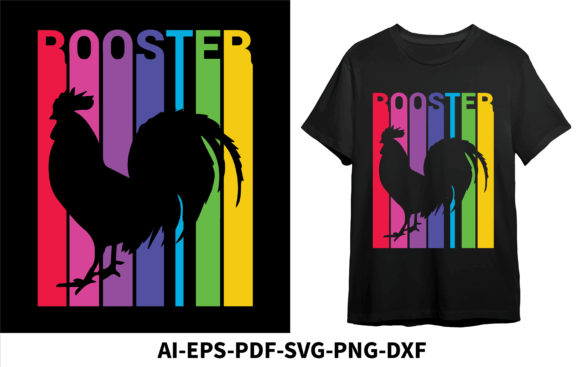
The visual personality of the Retro Rooster Chicken is bold yet approachable. It isn't trying to be hyper-realistic; instead, it leans into the stylized shapes and color blocking that define mid-century graphic art. For an embroidery designer, this is crucial because it suggests how the machine will interpret the lines. The design avoids overly intricate micro-details that often get lost in stitching, favoring clean contours that promise clarity in the final product. Whether you are planning a custom sweatshirt for a local brewery or a set of matching aprons for a craft fair, this design sets a tone of quality and thoughtfulness immediately.
From Screen to Stitch: A Real Project Scenario
To truly understand the value of this asset, let me walk you through a scenario I recently faced. A client approached me wanting a limited-run collection of tote bags for a farmers market event. They wanted something that screamed "local harvest" but with a playful twist. They didn't want generic floral patterns; they wanted character. That is when I considered the Retro Rooster Chicken.
I pulled up the vector file and began visualizing the stitch-out. My mind immediately went to a sturdy canvas tote bag in a deep navy blue. The contrast between the dark fabric and the potential thread colors would make the rooster pop. In a real-world application, this design works exceptionally well as a central focal point on a tote bag design. It doesn't overwhelm the fabric, nor does it disappear against a textured background. I imagined the finished product hanging on a booth display at a craft fair, catching the eye of passersby looking for unique handmade goods.
The versatility extends beyond bags. I also tested the concept mentally on a baby onesie for a nursery gift. The retro theme fits seamlessly into modern nursery decor trends that favor muted tones and classic illustrations over bright, chaotic primary colors. If I were to use this for a holiday gift, perhaps embroidered on a kitchen towel for a hostess present, the design offers a sense of warmth and tradition that customers appreciate. It transforms a simple commodity into a personalized gift with a story behind it.
Technical Performance in Embroidery Projects
As an experienced reviewer, I have to address the mechanics of how Retro Rooster Chicken handles itself during production. One of the standout features mentioned in the product details is the ability to easily change colors. In the world of machine embroidery design, flexibility is king. Being able to swap out the thread palette without altering the underlying structure allows you to adapt the same design for different seasons or customer preferences. For instance, you could run the design in autumnal oranges and browns for fall merchandise, then switch to crisp whites and pastels for spring collections.
The inclusion of 100 vector shapes that are resizable is a massive advantage for small business owners. When working on custom apparel, you rarely know exactly what size you need until you are measuring the garment. Whether you are scaling the design down for a cap brim or expanding it for a large back print on a sweatshirt, the vector nature ensures you maintain sharp edges. This is particularly important when dealing with satin stitch areas, which can become distorted if the source file lacks proper resolution.
However, not every project is a success story, and there are situations where you must exercise caution. While the design is robust, placing it on highly textured fabrics or thin materials requires a strategic approach. If you attempt to embroider this on a loose-weave linen or a stretchy jersey knit without proper stabilization, the tension might pull the stitches, causing the rooster's shape to warp. Similarly, on dark fabrics, you must ensure your fill density is sufficient to cover the background completely, or the design may appear patchy.
I also advise careful consideration regarding hoop size. If you are aiming for a tiny detail on a children's hat, you need to verify that the smallest elements of the Retro Rooster Chicken remain legible once stitched. Sometimes, a design that looks perfect on a monitor becomes too crowded when compressed into a small hoop. Always test the layout on scrap fabric before committing to your final product. This step is non-negotiable for maintaining professional standards.
Maximizing Value for Your Craft Business
For Etsy sellers and creative entrepreneurs, the perception of value is everything. A high-quality embroidery file like this elevates your brand consistency. When a customer receives a handmade product featuring a cohesive, well-designed motif, it signals attention to detail. The Retro Rooster Chicken adds a layer of professionalism that generic clip art simply cannot match. It helps build trust with buyers who are looking for authentic, handcrafted items rather than mass-produced goods.
The variety of file formats provided—AI, EPS, PDF, PNG, SVG, and DXF—makes this a versatile tool for various workflows. If you are creating printable mockups to showcase your small shop product line online, the PNG and AI files allow for easy integration into your marketing materials. You can place the design on a virtual t-shirt or pillow cover to give customers a realistic preview of the finished item. Furthermore, having the DXF file opens doors for those who might also offer cutting services or work with laser cutters alongside their embroidery machines.
When thinking about commercial projects, such as branded merchandise for a boutique, this design serves as a strong anchor. It is distinctive enough to stand out but neutral enough to blend with various branding styles. However, remember to check your licensing terms before selling finished items or digital products. Understanding the scope of your rights is essential for protecting your business and respecting the original creator.
Practical Tips for the Best Results
Before you start stitching, here are a few practical notes to ensure your embroidery project runs smoothly. First, always inspect small details closely. Zoom in on the vector file to see if any corners are too sharp or if there are tiny gaps that might cause thread breaks. Second, review the stitch density. If the design feels too dense, consider reducing the number of layers or adjusting the underlay settings to prevent puckering.
Thread color selection is another critical factor. Since the design allows for easy color changes, take time to experiment with different palettes. Test the design in black and white mockups to ensure the contrast holds up even if you decide to use monochromatic threads later. Don't forget to use the proper stabilizer; the type of stabilizer you choose can make the difference between a wrinkled mess and a crisp, professional finish.
Finally, compare light and dark fabric backgrounds. The Retro Rooster Chicken likely shines on lighter fabrics, but its performance on darker textiles depends heavily on your choice of topstitching and fill colors. By taking these steps, you ensure that the final product meets the high expectations of your customers.
In conclusion, the Retro Rooster Chicken is more than just a graphic; it is a functional asset for serious makers. It balances artistic flair with technical reliability, making it a worthy addition to any designer's library. Whether you are crafting a personalized gift for a friend or producing a line of T-Shirt Designs for your store, this design offers the flexibility and quality needed to succeed in today's competitive market. Approach it with care, test thoroughly, and watch your handmade creations come to life.