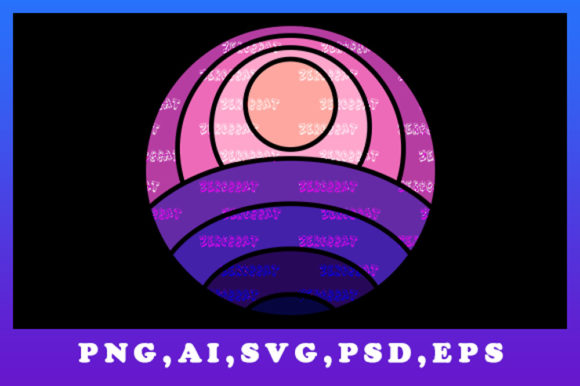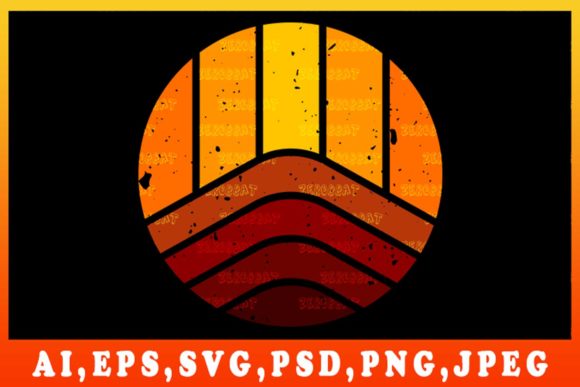
Retro Sunset Vintage Colorful Circle Review
I have spent years reviewing digital assets for the embroidery community, and I can tell you that the difference between a design that looks great on a screen and one that actually stitches well is often in the details. When Retro Sunset Vintage Colorful Circle landed in my inbox, I didn't just look at the preview image; I immediately started thinking about how it would behave under the needle of a commercial machine versus a home hobbyist setup. As an experienced designer who values practical application over hype, I decided to put this piece through a real-world test scenario before giving it a final verdict.
The first thing that strikes you about Retro Sunset Vintage Colorful Circle is the mood. It isn't just a geometric shape; it carries a specific nostalgia that feels perfect for the current market trends in handmade goods. The color palette suggests warmth and optimism, making it an ideal candidate for spring collections or summer festivals. However, when we talk about converting a graphic illustration into a tangible embroidery project, the visual appeal must translate into stitch clarity. This design promises a vibrant aesthetic, but does it hold up when rendered in thread?
To give you a concrete example of how I evaluate these files, let's imagine a real-life scenario. I am preparing a custom order for a local boutique that specializes in sustainable baby items. They need a unique embroidered patch for a set of organic cotton onesies and matching bibs. The client wants something cheerful that stands out against soft pastels. I opened Retro Sunset Vintage Colorful Circle in my digitizing software to see if it could work as a machine embroidery design for this purpose.
The circular layout offers a fantastic frame for a central motif, which is crucial for small items like baby bibs where space is limited. In a tote bag design context, the circle acts as a bold focal point that doesn't get lost on a large canvas. However, the success of this embroidery file depends heavily on how the layers are handled. The description mentions 100 customized layers, which implies a high level of detail. For a sweatshirt embroidery job, this might be manageable, but for delicate baby embroidery, we need to be careful not to create a fabric that feels too stiff or heavy.
When analyzing the technical execution, the transition from fill stitch areas to satin stitch borders is where many designs fail. A good digital embroidery file must balance density so the threads don't pile up excessively. If Retro Sunset Vintage Colorful Circle has dense fill areas representing the sunset gradient, it will require a sturdy stabilizer to prevent puckering, especially on stretchy fabrics like jersey or fleece. On a custom apparel item like a cap, the curvature of the hat adds another layer of complexity. A flat circle might distort if the underlying digitizing doesn't account for the curve of the surface.
I also considered the versatility of this asset for various craft business needs. Could it work as a printed mockup for a shop owner selling digital downloads? Absolutely. The CMYK color mode mentioned in the specs ensures that if a customer prints this as a printable mockup or uses it for sublimation, the colors remain accurate. But for those using it as a true applique design, the layer separation becomes critical. You want to ensure that the background shapes cut cleanly and that the foreground elements sit perfectly on top without shifting during the sewing process.
There are specific scenarios where you should exercise caution with this type of detailed graphic. If you are working with a small hoop size, intricate corners or fine lines within the circle might get lost or merge together. Similarly, on textured fabrics like corduroy or boucle, the definition of the design might soften more than expected. Dark fabrics present another challenge; unless you use a high-quality underlay and possibly a tear-away stabilizer, the bright colors of the sunset might not pop against a black background. Always test the thread colors against your specific fabric choice before committing to a full production run.
For the Etsy seller or small shop product creator, the perceived value of the finished item is directly tied to the quality of the stitching. A well-executed embroidered patch featuring Retro Sunset Vintage Colorful Circle elevates a simple tote bag into a premium accessory. Customers notice the precision of the running stitch edges and the smoothness of the fills. This attention to detail builds trust and encourages repeat business. Conversely, a design that bunches or skips stitches can damage the reputation of even the best handmade brand.
Before you download and start stitching, here are some practical notes from my experience as a reviewer:
- Test on scrap fabric first: Never skip this step. Use the same fabric and stabilizer combination you plan to use for the final product to check for puckering or distortion.
- Review stitch density: Ensure the design isn't too dense for the fabric weight. Heavy density on light fabric can cause tearing.
- Check small details: Zoom in on the digital preview to ensure that any tiny text or thin lines are wide enough to be stitched clearly.
- Verify file formats: Confirm that the included formats (SVG, EPS, PNG, PDF, DXF) match your specific machine or software requirements.
- Licensing confirmation: If you intend to sell finished items made with this design, double-check the license terms regarding commercial use.
The visual appeal of Retro Sunset Vintage Colorful Circle is undeniable, and its potential for creating personalized gifts or holiday embroidery projects is high. Whether you are designing a kitchen towel for a wedding gift or a pillow cover for a nursery decor line, this design offers a retro charm that resonates with modern buyers. It fits seamlessly into a collection of design assets meant for creative entrepreneurs who want to stand out in a crowded marketplace.
In conclusion, while the initial presentation of Retro Sunset Vintage Colorful Circle is promising, the true test lies in the execution. It is a versatile graphics asset that can serve as both a standalone illustrations piece and a robust foundation for textile art. By following standard best practices—such as proper stabilization, thread selection, and testing—you can transform this digital concept into a stunning finished product that delights customers and enhances your brand identity. Just remember that every fabric tells a different story, and your role as the designer is to ensure the design supports that narrative beautifully.