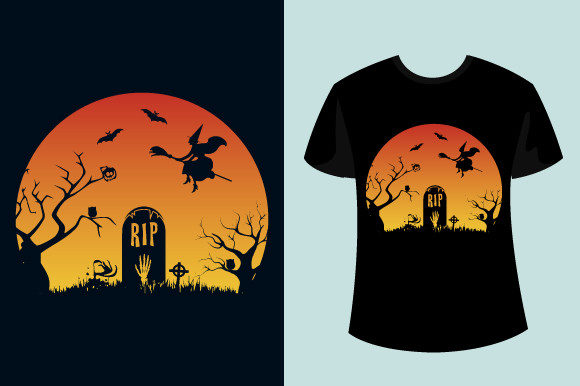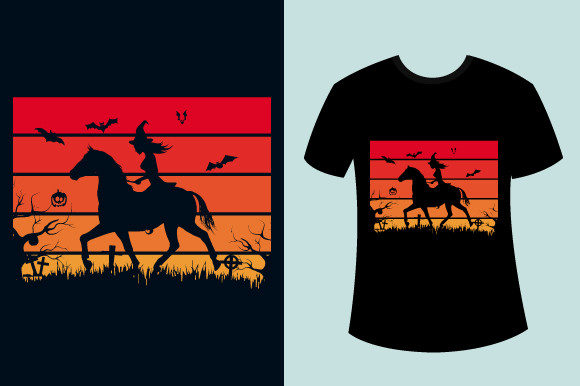
Retro Vintage Halloween Background
There is a specific kind of magic that happens when you pull up an embroidery design and immediately see the finished product in your mind. It isn't just about the shapes or the colors; it is about the texture, the mood, and how the stitches will behave on real fabric. When I first opened the Retro Vintage Halloween Background, I didn't just see a graphic file. I saw a potential bestseller for my Etsy shop and a perfect centerpiece for a custom holiday collection. As someone who has spent years stitching everything from delicate baby onesies to heavy-duty workwear, I know that the difference between a good project and a great one often comes down to the quality of the source material.
This review is not a sales pitch. It is a practical look at how this embroidery file performs when moved from the screen to the hoop. We are going to talk about stitch density, fabric choices, and the specific scenarios where Retro Vintage Halloween Background shines versus where it might struggle. Whether you are a seasoned commercial embroidery artist or a hobbyist looking to create a unique personalized gift, understanding the nuances of this design is crucial before you commit to production.
The First Stitch: Visual Personality and Mood
The term "Retro Vintage" can be a bit of a buzzword, but in the context of this design, it carries a genuine weight. The Retro Vintage Halloween Background evokes a sense of nostalgia, reminiscent of 1970s horror movie posters and classic trick-or-treat cards. It avoids the generic, mass-produced look of modern clip art by offering a layout that feels hand-crafted and textured even before the thread touches the cloth.
For a designer, the appeal lies in its versatility as a T-Shirt Designs asset. The composition allows for the background elements to recede slightly while leaving room for bold central imagery or text. This balance is vital for custom apparel. If you are creating a line of boutique products, you want a design that doesn't scream for attention but rather invites the viewer to lean in and appreciate the details. The visual personality here is warm, slightly spooky, and undeniably cozy—perfect for the autumn season.
Real-World Application: From Tote Bag to Boutique Shelf
Let's imagine a real scenario. You are preparing for the upcoming holiday rush, and you have a client who wants a limited-run batch of embroidered tote bags for their local craft fair. They need something that stands out on a table full of generic merchandise. This is where Retro Vintage Halloween Background becomes a strategic choice.
I envision taking this vector-based design and adapting it for a canvas tote bag. Because the file is available in editable formats like EPS, AI, and SVG, I can easily modify the color palette to match a specific brand identity without losing resolution. Imagine a deep orange background with muted cream stitching, creating a soft contrast that feels high-end rather than cheap. The design works exceptionally well as a tote bag design because the background nature fills the space beautifully without overwhelming the handle area.
Beyond bags, consider the potential for home decor. A pillow cover featuring this motif could become a staple in a fall-themed living room. The vintage aesthetic pairs naturally with linen and cotton blends, adding a touch of charm to nursery decor or a kitchen towel. For the Etsy seller or small business owner, the ability to offer these items as part of a cohesive collection increases customer trust. When a buyer sees consistent, high-quality branding across a sweatshirt, a hat, and a tote, they are more likely to return for future purchases.
Navigating Technical Challenges in Embroidery
However, every designer knows that what looks perfect on a monitor does not always translate perfectly to the needle. There are specific areas where you must exercise caution with Retro Vintage Halloween Background.
If you plan to use this on a curved surface like a baseball cap, the background elements might require significant digitizing adjustments to lay flat against the curve. Small, intricate corners in the vintage pattern can sometimes get lost if the hoop size is too tight or if the fabric is too stretchy. For instance, trying to stitch this detailed background onto a thin, stretchy knit fabric without proper stabilizer could result in puckering, which ruins the professional finish of the finished product.
Dense stitch areas are another consideration. While the design is described as print-ready and easy to modify, you must verify the stitch density before running a full production run. High-density fill stitches can make the fabric stiff, which is undesirable for items like baby clothes or soft blankets. If you are aiming for a lightweight feel, you might need to reduce the density or switch to a lighter fabric weight. Always test the design on scrap fabric first to ensure the stitch density matches your intended outcome.
Color Contrast and Thread Selection
The success of any embroidery project often hinges on thread color contrast. With a retro theme, there is a temptation to go overboard with neon colors. However, true vintage style relies on muted, earthy tones. When selecting your thread colors, aim for shades that complement the nostalgic vibe rather than fighting against it. A dark fabric background might require a bright underlay or a different thread type to ensure the design pops without becoming muddy.
For those using this as a digital embroidery file for commercial projects, remember that the final look depends heavily on the machine settings. Satin stitches should be crisp, while fill stitches should be smooth. Running a test in black and white mockups can help you visualize the value of the design before committing to expensive threads. This step is crucial for maintaining brand consistency and ensuring that your handmade product meets the expectations of discerning buyers.
Practical Notes for the Creative Entrepreneur
Before you start selling or gifting items made with Retro Vintage Halloween Background, there are a few housekeeping steps that separate professionals from amateurs. First, confirm the licensing terms. Even though the file is easy to modify and change color inside, you must ensure you have the right to sell finished items created from it. This protects your craft business from legal issues down the road.
Secondly, inspect the small details. Sometimes, vector files contain tiny paths that can cause needle breaks or thread jams if not cleaned up. Review the design in your software to ensure all lines are closed and logical. Check whether the design works for both personal and commercial projects by reading the fine print of the download. Finally, compare light and dark fabric backgrounds to see how the design holds up. A design that looks amazing on white might disappear on a navy blue shirt if the thread count isn't adjusted.
In conclusion, Retro Vintage Halloween Background is more than just a static image; it is a versatile tool for the modern maker. It offers the flexibility needed for small shop products while providing the aesthetic depth required for boutique branding. By approaching this design with a critical eye and a willingness to test, you can transform a simple digital asset into a cherished holiday gift or a profitable addition to your inventory. Whether you are creating an embroidered patch or a full-scale sweatshirt embroidery line, this design provides a solid foundation for creativity.
Remember, the goal is to create something that lasts. Take the time to choose the right stabilizer, pick the perfect fabric texture, and let the vintage charm of this design do the talking. Your customers will notice the care you put into every stitch, and that is the true mark of a successful embroidery project.