Gorilla Robot Retro Vector Illustration Review
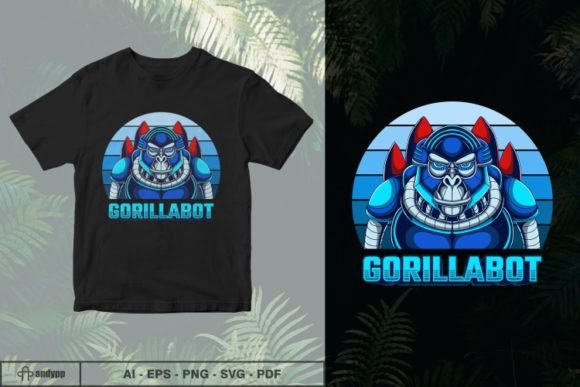
When I first opened the Gorilla Robot Retro Vector Illustration, I didn't just see a graphic; I saw a character with a story. As a designer who has spent years turning digital files into tangible stitched goods, my initial reaction was to immediately think about how this design would translate from a screen to a needle. The retro aesthetic brings a nostalgic warmth that feels perfect for modern handmade shops and boutique brands looking to stand out without shouting.
This isn't just another clip art image. It is a piece of Illustrations and Graphics designed with a specific personality: bold, slightly quirky, and undeniably cool. Whether you are an Etsy seller preparing a holiday collection or a small business owner creating custom merchandise, the visual weight of this design suggests it belongs on products that need a bit of attitude. It strikes a balance between industrial strength and playful charm, making it a versatile asset for various embroidery projects.
From Screen to Stitch: A Real-World Scenario
To truly understand the potential of the Gorilla Robot Retro Vector Illustration, imagine a real project scenario. Let's say you are a craft fair vendor preparing for a busy weekend. You want to create a limited edition line of tote bags featuring a unique mascot that represents your brand's blend of durability and fun. You pull up this vector file, ready to convert it into a machine embroidery design.
The first thing I noticed is the clean lines and distinct shapes. In a real-world setting, this means the design will hold up well against the tension of the fabric. I envision stitching this onto a heavy-duty canvas tote bag using a rich navy thread for the robot's body and a metallic gold for the accents. The retro style allows for some creative freedom with thread colors, letting you adapt the mood from vintage sci-fi to modern pop-art. The result wouldn't just be a logo; it would be a conversation starter. Customers walking through a booth would stop to look at the textured stitching, appreciating the craftsmanship behind the finished product.
This same design could easily transition to a baby onesie for a "future engineer" theme or a patch for a denim jacket. The layout is robust enough to carry the eye, ensuring that even when reduced in size for smaller items like hats or aprons, the core identity of the gorilla robot remains clear. It transforms a simple commodity into a personalized gift that feels thoughtfully curated.
Performance on Different Fabrics and Projects
Not all designs are created equal when they hit the hoop. The Gorilla Robot Retro Vector Illustration performs exceptionally well on stable fabrics like cotton twill, denim, and felt. These materials provide the necessary foundation for a clean satin stitch finish, allowing the details of the robot's face and mechanical parts to pop. For apparel decorators working on sweatshirts or hoodies, this design offers a great focal point on the chest or back.
However, there are nuances to consider depending on the application. If you are planning to use this as an embroidered patch, the solid shapes work beautifully, but you must ensure the backing stabilizer is strong enough to prevent puckering. For kitchen towels or pillow covers, the retro vibe adds a touch of whimsy that elevates home decor. The design assets included (AI, EPS, PNG, SVG, PDF) give you the flexibility to test different colorways before committing to expensive thread spools.
It is also worth noting how this design affects customer trust. In the world of handmade products, clarity is king. A design that stitches clearly signals professionalism. When buyers see a crisp embroidery file with defined edges, they perceive higher value in the item. This can directly influence sales for commercial embroidery projects where brand consistency matters.
Where to Exercise Caution
While the Gorilla Robot Retro Vector Illustration is a strong candidate for many projects, it is not a magic bullet for every surface. Experienced designers know that context is everything. There are specific scenarios where this design might struggle if not handled with care.
First, avoid using this on highly textured or stretchy fabrics without proper stabilization. Materials like loose-knit jersey or fuzzy fleece can swallow fine details, turning a sharp vector into a muddy blob. Similarly, if you attempt to stitch this on dark fabric, the contrast might be lost unless you use a high-density underlay or a light-colored top layer. Always check thread color contrast before starting a large run.
Small hoop sizes present another challenge. While the design is scalable, extremely small applications on items like caps or tiny baby accessories require careful review. The intricate corners of the robot's mechanical joints might get lost if the stitch density is too low. If the design includes any text or very fine lines, test them on scrap fabric first. Dense stitch areas can cause the fabric to pucker if the machine settings aren't optimized, which can ruin the aesthetic of a personalized gift.
Curved surfaces like baseball caps add another layer of complexity. The geometry of the gorilla robot needs to conform to the curve of the cap without distorting the proportions. You may need to adjust the digitization or choose a specific placement area to ensure the final product looks balanced. Also, for products that require frequent washing, such as children's clothes or work aprons, ensure the stitch density is sufficient to withstand friction and agitation.
Practical Notes for the Embroidery Designer
Before you load this design into your machine, take a moment to prepare properly. The Gorilla Robot Retro Vector Illustration is provided in multiple formats, which is excellent for testing, but the actual embroidery file (likely .DST, .PES, or .JEF depending on your machine) requires specific attention.
- Test on Scrap Fabric: Never skip this step. Run the design on a piece of the same fabric you plan to use to check for puckering, thread breaks, or detail loss.
- Review Stitch Density: Check the fill stitch areas. If they are too dense, the fabric will become stiff; too sparse, and the background will show through. Adjust the density based on your fabric type.
- Inspect Small Details: Zoom in on the digital preview. Are there any isolated elements that might shift during stitching? Ensure the running stitch and satin stitch transitions are smooth.
- Check Hoop Size: Confirm that your intended hoop size accommodates the entire design without cutting off critical parts of the illustration.
- Stabilizer Selection: Use the correct stabilizer for your project. Tear-away is standard for woven fabrics, while cut-away is better for knits and stretchy materials to maintain shape over time.
- Licensing and Commercial Use: Since you are likely using this for a craft business or Etsy listings, double-check the license terms. Ensure you have the right to sell finished items made with this design, especially if you are selling digital mockups or printables.
The Gorilla Robot Retro Vector Illustration is more than just a graphic; it is a tool for creativity. By understanding its strengths and limitations, you can turn a simple vector into a high-value handmade product. Whether you are creating custom apparel, holiday gifts, or boutique branding, this design offers a unique opportunity to connect with your audience through quality craftsmanship.
Remember, the difference between a good project and a great one often lies in the preparation. Take the time to evaluate the embroidery project holistically, from the fabric choice to the final presentation. With the right approach, the Gorilla Robot Retro Vector Illustration can become a signature element of your portfolio, helping you build a loyal customer base that values both style and substance.