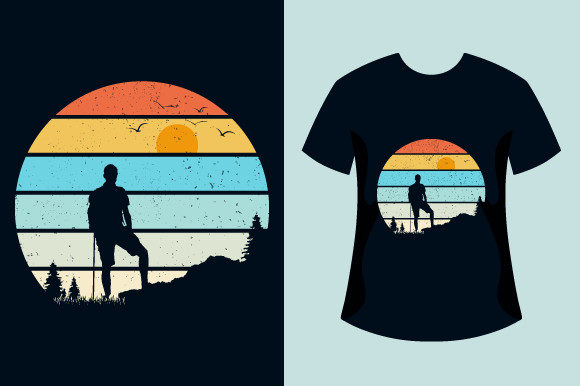
Hiking Retro Vintage Tshirt Design Review
When I first opened the Hiking Retro Vintage Tshirt Design, my immediate thought wasn't about the file formats or the download speed. It was about the mood. There is a specific energy to retro graphics that feels nostalgic yet timeless, and this design captures that perfectly. As someone who has spent years turning digital assets into tangible, stitched products for clients, I look for more than just a pretty picture. I need to know if it will hold up on a machine, how it translates from vector to thread, and whether it adds genuine value to a handmade product.
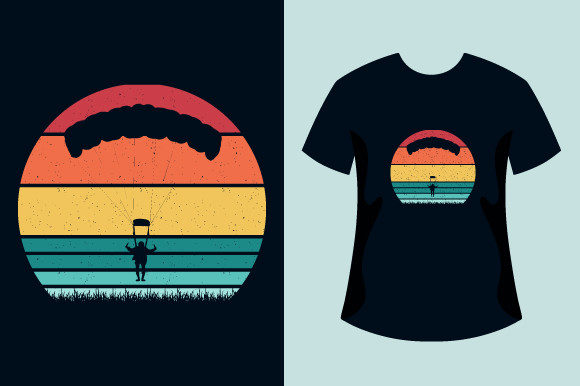
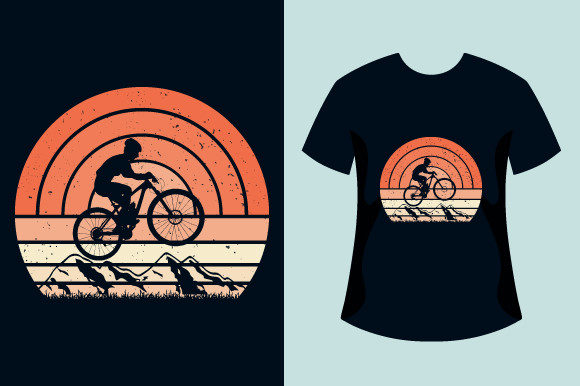
This Print Templates category entry stands out because it leans heavily into the "vintage" aesthetic without feeling dated in a bad way. The layout suggests a classic outdoor adventure theme, likely featuring stylized mountains or trails rendered with a worn, distressed look. For an embroidery designer, the appeal lies in how well those rough edges translate to stitching. A clean vector file is one thing; a file that anticipates the limitations of thread is another.
From Screen to Stitch: Real-World Application
Let's imagine a real scenario. I am prepping for a local craft fair next month. My goal is to create a cohesive line of small-batch merchandise that appeals to hikers, campers, and nature lovers. I need something versatile enough to work on different items but distinct enough to catch an eye at a crowded booth. This is where Hiking Retro Vintage Tshirt Design becomes a practical asset.
I envision taking this design and placing it on a heavy-duty canvas tote bag. The vintage style pairs beautifully with the rugged texture of canvas, creating a product that feels durable and authentic. However, the decision isn't just about the bag. The same design could be adapted for a cozy sweatshirt for a winter hiking trip, a baby onesie for a family outing, or even a patch for a denim jacket. The versatility of the Hiking Retro Vintage Tshirt Design makes it a strong candidate for a multi-product launch.
The fact that the files are provided as editable vectors like EPS, AI, and SVG gives me the confidence to tweak the size and orientation before I ever load them into my embroidery machine. If I were making a cap, I might need to curve the text slightly or adjust the aspect ratio to fit the panel. With these Graphics available in print-ready formats, I can experiment freely in my design software to ensure the final embroidery project looks exactly as intended.
Technical Considerations for Embroidery Success
While the visual concept is strong, the execution depends on technical details. When reviewing a design for commercial use, I always ask: Is the stitch density appropriate? Can the machine handle the detail level without piling up thread?
If the design relies heavily on tiny, intricate lines to achieve that "retro" feel, it might struggle on stretchy fabrics or small hoop sizes. Stitch density is crucial here. Too much density on a thin fabric can cause puckering, ruining the drape of a t-shirt or the structure of a hat. Conversely, too little density might make the image look washed out. I would advise testing this design on scrap fabric first, specifically checking how the satin stitch areas hold up against the fill stitch sections.
Fabric choice also plays a massive role. This design would shine on stable materials like cotton twill, denim, or felt. However, caution is needed when applying it to highly textured fabrics or very thin materials. On a sheer summer shirt, the stabilizer required to support the design might be visible, detracting from the clean look. Similarly, on dark fabrics, the thread colors need to be evaluated carefully to ensure high contrast. A light-colored vintage graphic might get lost on a black hoodie unless specific underlay stitches are used.
Where to Use (and Where to Hesitate)
Hiking Retro Vintage Tshirt Design fits naturally into several categories of handmade products. It is excellent for custom apparel like hoodies and t-shirts, where the retro vibe complements the casual wear aesthetic. It works wonderfully for embroidered patches that can be sewn onto backpacks or vests, adding a personalized touch to gear. For home goods, consider using it on kitchen towels, pillow covers, or aprons for a rustic, cabin-style decor look.
It is also a great fit for holiday embroidery projects. Think of a gift for a parent who loves the outdoors—a custom embroidered blanket or a personalized tea towel for their camping trips. The design has a universal appeal that makes it a safe bet for personalized gifts.
However, there are places where you should hesitate. Avoid using this design on curved surfaces like caps if the original layout is not optimized for curvature; the distortion can ruin the vintage balance. Be wary of using it on very small items like keychains or tiny baby bibs if the design contains dense details that will become indistinguishable when scaled down. Tiny lettering within the graphic might disappear entirely after stitching, so inspect the design assets closely before committing to a small scale.
Impact on Product Value and Brand Perception
In the world of Etsy sellers and small shop products, the quality of your design directly impacts customer trust. A sloppy stitch job or a design that doesn't translate well from screen to fabric can damage a brand's reputation. Hiking Retro Vintage Tshirt Design, when executed correctly, elevates the perceived value of the finished item.
A well-stitched retro graphic signals professionalism. It shows that the maker put thought into the aesthetic and chose a design that resonates with the target audience. This attention to detail fosters buyer engagement and encourages repeat business. Customers are more likely to share photos of high-quality items on social media, providing free marketing for your craft business.
Furthermore, the ability to edit the file allows for brand consistency. You can match the thread colors to your shop's palette or add a monogram to the design to make it truly unique. This flexibility turns a generic template into a bespoke product, which is essential for standing out in a saturated market.
Essential Designer Notes Before You Start
Before you rush to stitch this design, keep a few practical tips in mind. First, always review the stitch density in your digitizing software. If the file is a raster image converted to vector, ensure the paths are clean. If it is already a native embroidery file, check the stitch types. Are they primarily running stitch for outlines, or does it rely on heavy fills?
Second, test your thread colors. The preview on your screen might show vibrant greens and browns, but the actual thread spools might have a different sheen or depth. Compare light and dark fabric backgrounds in your mockups to ensure the design pops. Third, confirm the hoop size requirements. If the design is large, you may need a larger hoop, which limits the placement options on garments like t-shirts or hats.
Finally, verify the licensing terms. Even though the description mentions the file is ready for print items, you must confirm whether you can sell finished products made from this design. Some digital embroidery files come with restrictions on commercial use. Ensure you have the right permissions before listing your finished product on Etsy or at a craft fair.
By approaching Hiking Retro Vintage Tshirt Design with a critical eye and a plan for execution, you can transform a simple vector graphic into a standout piece of wearable art. Whether you are creating a single gift or building a full line of commercial embroidery products, this design offers a solid foundation for creativity and success.