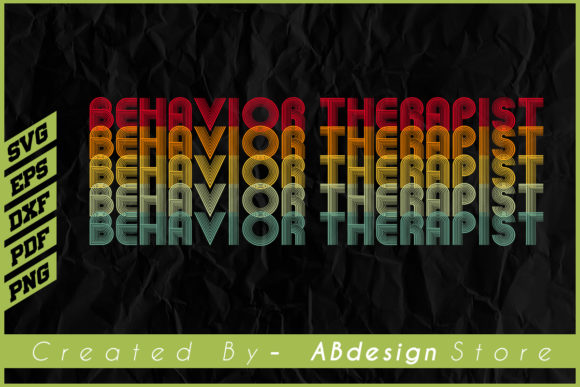
Vintage Retro Behavior Therapist Design Review
When I first opened the folder for the Vintage Retro Behavior Therapist Design, I didn't just see a graphic; I saw a conversation starter. As someone who spends hours tweaking stitch densities and selecting thread colors for clients, my first impression was immediate: this design has personality. It captures that specific nostalgic charm of mid-century typography mixed with modern professional humor. For an embroidery designer or a small business owner looking to add a unique touch to their inventory, this isn't just another clip art file; it is a Print Templates asset that demands attention.
The visual language here is distinct. The retro aesthetic suggests warmth and approachability, which is exactly what you want when dealing with themes of mental health and therapy. However, before I even thought about running it through my machine, I had to consider the practical application. Would this hold up on a heavy cotton tote bag? Could it survive the rigors of a baby onesie? My review focuses on how the Vintage Retro Behavior Therapist Design translates from a digital screen to a tangible, stitched reality.
Real-World Application: From Screen to Stitch
Let me paint a picture of where this design shines. Imagine a boutique shop owner preparing for the holiday season. They are curating a line of gifts for counselors, therapists, and social workers. The Vintage Retro Behavior Therapist Design fits perfectly into this niche. I envision this being embroidered onto a high-quality canvas tote bag, perhaps in a deep navy or forest green fabric to let the vintage tones pop. The contrast would be striking, creating a piece of custom apparel that feels both professional and personal.
But the versatility doesn't stop there. This embroidery file could easily transition to a cozy sweatshirt for a "stay-at-home" therapist who loves their craft. The layout allows for placement on the chest or the back of a hoodie, making it ideal for small shop product lines. Even as a personalized gift for a graduation or retirement, the design carries enough weight to feel like a premium item rather than a mass-produced novelty.
However, not every surface is created equal. When evaluating the Vintage Retro Behavior Therapist Design for use on curved surfaces like caps or fitted hats, caution is required. The text elements need to flow naturally with the curve of the hat without distorting the message. If the lettering becomes too compressed or stretched, the vintage charm is lost, and the design looks amateurish. In these cases, testing on scrap fabric is non-negotiable.
Navigating Fabric and Technique Challenges
One of the most critical aspects of any machine embroidery design is how it interacts with the fabric texture. The Vintage Retro Behavior Therapist Design likely utilizes a mix of satin stitches for outlines and fill stitches for the background blocks. On a smooth, stable fabric like denim or twill, this should render beautifully. But what happens on a stretchy knit or a textured boucle?
If you plan to use this on a soft t-shirt or a fleece sweatshirt, you must ensure you are using the correct stabilizer. Without adequate backing, the tension of the stitches can pucker the fabric, ruining the clean lines of the retro font. Similarly, if you attempt this on a dark fabric, the thread color selection becomes paramount. A light thread might get lost in the weave, while a dark thread might blend in entirely. You will need to test thread colors against your specific fabric swatch to ensure the design remains legible and vibrant.
There are also areas where this design requires careful handling. If the original file includes very fine details or tiny lettering within the phrase, these can be problematic in smaller hoop sizes. Embroidery machines struggle to resolve intricate details when the area is cramped. If you are aiming for a tote bag design that covers a large area, the detail level should be manageable. But if you try to shrink this down to fit on a small baby bib or a tiny patch, you risk losing the integrity of the image. The design works best when given enough space to breathe.
Impact on Product Value and Brand Consistency
For Etsy sellers and creative entrepreneurs, the quality of the final product directly impacts customer trust. A well-executed Vintage Retro Behavior Therapist Design elevates the perceived value of the item. It signals that the maker put thought into the design choice, moving beyond generic slogans to something that resonates with the recipient's profession and personality.
When used correctly, this design enhances brand consistency. It creates a cohesive look across different products, whether it is a kitchen towel, a pillow cover, or a set of aprons. The retro theme ties everything together, making the collection feel curated and intentional. Customers are more likely to engage with a brand that offers unique, professionally finished items. The finished product should look polished, with no loose threads or misaligned stitches, reinforcing the idea that this is a premium embroidery project.
Conversely, poor execution can damage reputation. If the stitch density is too high, the fabric may become stiff and uncomfortable. If the design is placed incorrectly, it can look off-center and cheap. This is why reviewing the design assets thoroughly before production is essential. You must verify the file formats—whether they include SVG, EPS, PNG, DXF, or PDF—to ensure compatibility with your digitizing software or embroidery machine.
Practical Designer Notes for Success
Before you commit to a full production run, follow these practical steps to ensure the Vintage Retro Behavior Therapist Design performs as expected:
- Test on Scrap Fabric: Always run a test stitch on a scrap piece of the same material you intend to use. This reveals potential issues with puckering, tension, or thread breakage.
- Check File Specifications: Ensure you have the correct resolution for your needs. While the description mentions 300 DPI for print-ready files, confirm the stitch count and dimensions for embroidery compatibility. Do not assume compatibility without verification.
- Review Small Details: Zoom in on the digital file. Are there any tiny elements that might disappear during stitching? If so, consider simplifying the design or increasing the size.
- Verify Licensing: If you plan to sell finished items featuring this design, double-check the licensing terms provided by the creator. Some digital download files are for personal use only, while others allow commercial sales.
- Mockup Testing: Create black and white mockups to visualize the contrast. This helps you decide if the design will work on both light and dark backgrounds without needing to physically stitch every option.
- Hoop Size Confirmation: Ensure your design fits within your standard hoop sizes. If the design is larger than your machine's capabilities, you may need to split the file or adjust the scale.
The Vintage Retro Behavior Therapist Design is a strong candidate for anyone looking to expand their craft business or create meaningful holiday embroidery projects. Its retro vibe adds a layer of sophistication that generic designs lack. By approaching the project with a critical eye and following proper embroidery techniques, you can transform this digital asset into a standout handmade product that customers will love.
Ultimately, the success of this design lies in the hands of the maker. Whether you are creating a commercial embroidery piece for a clinic or a heartfelt gift for a friend, taking the time to understand the nuances of the file will pay off. Treat the graphics with respect, choose your materials wisely, and you will end up with a beautiful, durable piece of art that truly reflects the spirit of the profession it honors.