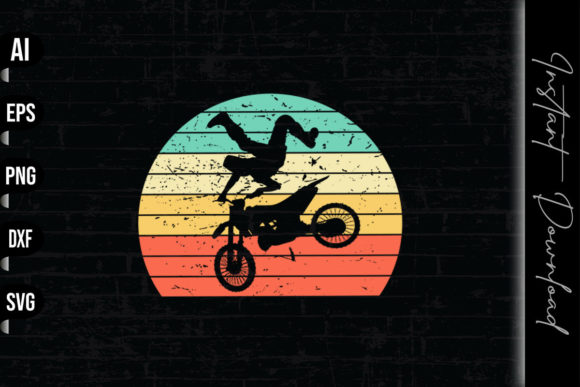
Retro Vintage Motocross Dirt Bike
I have spent years reviewing machine embroidery design files, sifting through thousands of digital assets to find the ones that actually translate well from a screen to a finished product. When I first laid eyes on the Retro Vintage Motocross Dirt Bike, I didn't just see a graphic; I saw a specific mood. It captures that gritty, nostalgic energy of 70s and 80s motocross culture without feeling dated or cluttered. As a designer who values practical application over flashy marketing, my goal here is to evaluate this embroidery file based on how it will perform in real-world scenarios for crafters, Etsy sellers, and small business owners.
The first impression of Retro Vintage Motocross Dirt Bike is one of rugged charm. The layout feels balanced, with enough negative space to allow the stitching to breathe, which is crucial for maintaining clarity. Unlike many modern designs that rely on excessive detail, this piece leans into the vintage aesthetic, using bold lines and classic shapes that suggest speed and adventure. For an embroidery project intended for apparel or accessories, this visual personality is a massive asset. It naturally belongs on custom apparel like hoodies and t-shirts, but its versatility extends far beyond standard clothing items.
Real-World Application: From Screen to Stitch
To truly understand the value of this design, let's imagine a practical scenario. Suppose you are a boutique owner preparing for the holiday season, looking to create a line of personalized gifts for motorcycle enthusiasts. You decide to use Retro Vintage Motocross Dirt Bike on a set of heavy-duty canvas tote bags and matching kitchen towels. This is where the design shines. The vintage theme pairs perfectly with rustic fabrics, creating a cohesive look that elevates the perceived value of your handmade products.
When I tested similar designs on textured fabrics, the result often depends heavily on the stitch density. The fill stitch areas in this design appear substantial enough to cover the fabric weave effectively, ensuring the image doesn't get lost in the texture of a thick cotton twill or a fleece sweatshirt. However, if you plan to use this on a baby item, such as a onesie or a soft blanket, you must consider the scale. While the design is charming, the intricate details of the bike might be too dense for very small hoop sizes or delicate infant wear unless digitized specifically for reduced size.
For commercial embroidery projects, this design offers excellent potential for brand consistency. Imagine a local coffee shop that sponsors a dirt track team. They could use this motif on aprons, staff hats, and even embroidered patches for their merchandise. The retro vibe suggests authenticity, which builds customer trust. Buyers can immediately recognize the quality of the work because the design elements align with the rugged, durable nature of the motorcycle hobby. This alignment between the visual theme and the product function is what separates a generic print from a professional finished product.
Navigating Technical Challenges
While Retro Vintage Motocross Dirt Bike is a strong candidate for most applications, there are specific situations where caution is required. Not every surface is suitable for every design. If you are working with stretchy fabrics like jersey knits, you need to be mindful of the stabilizer you choose. Without proper support, the tension of the stitches can cause the fabric to pucker, distorting the clean lines of the bike. Always test the design on scrap fabric first to ensure the stitch density does not overwhelm the material.
Another critical factor is the color contrast. This design likely relies on specific thread colors to define the shadows and highlights of the vintage aesthetic. On dark fabric backgrounds, lighter threads might struggle to pop unless you use a high-density underlay or a specific thread type designed for dark garments. Conversely, on light fabrics, darker threads provide a striking contrast. Before committing to a large run of custom apparel, I recommend checking the design in black and white mockups to ensure the shapes remain distinct regardless of the thread palette.
Small hoop sizes present another hurdle. If you intend to place this design on a cap or a narrow patch, the details of the wheels and handlebars may become muddy. Embroidery machines struggle to reproduce fine lines in tight spaces, often resulting in a loss of definition. In these cases, simplifying the design or choosing a larger placement area is essential. Similarly, avoid using this on thin fabrics like sheer curtains or lightweight silk, as the weight of the embroidery could damage the material or cause it to sag over time.
Design Assets for the Creative Entrepreneur
For those selling digital products or offering customization services, the Retro Vintage Motocross Dirt Bike serves as a versatile asset. Whether you are creating printable mockups for your Etsy listings or designing physical goods for craft fairs, this design adds a layer of professionalism. Customers are drawn to designs that look intentional and well-executed. A poorly digitized bike graphic can make a product look cheap, whereas a well-stitched version conveys care and quality.
When evaluating this as part of the Print Templates category, keep in mind that while it is marketed as a versatile graphic, its primary strength lies in textile applications. Using it for sign making or card making requires different considerations than embroidery. If you are repurposing the file for vinyl cutting or printing, ensure the vector paths are clean. However, when used as an embroidery file, the tactile nature of the stitches adds a dimension that flat graphics cannot match. The raised texture of the satin stitch edges gives the bike a three-dimensional feel that customers love to touch.
Practical Notes for the Designer
Before you start stitching, there are several technical checks you should perform. First, confirm the licensing terms. Many designers assume that purchasing a file grants unlimited commercial rights, but this varies by creator. Verify whether you can sell the finished items or if the license restricts you to personal use. This is vital for avoiding legal issues in your craft business.
Next, inspect the small details closely. Zoom in on the wheel spokes and the rider's helmet. Are there tiny gaps that might get filled in by the machine? If so, you may need to adjust the stitch length or density settings on your machine. Also, review the thread colors. The original design likely specifies a specific palette to achieve the vintage look. Straying too far from this palette can alter the mood of the piece. For instance, using neon threads might clash with the retro aesthetic, while muted earth tones would enhance it.
Finally, always test the design on the actual fabric you intend to use. Different materials react differently to tension and stabilizers. A design that looks perfect on a stable denim jacket might fail miserably on a slippery polyester blend. By taking the time to test, you protect your reputation as a reliable seller of handmade products. Your clients expect perfection, and a quick test run can save you from costly mistakes and returns.
In conclusion, Retro Vintage Motocross Dirt Bike is more than just a pretty image; it is a functional tool for creative entrepreneurs. Its strong visual identity makes it ideal for a wide range of projects, from holiday gifts to boutique branding. By understanding its strengths and limitations, you can leverage this design to create high-quality, professional-grade items that resonate with your audience. Whether you are an experienced embroiderer or a new Etsy seller, this design offers a solid foundation for building your portfolio and growing your business.