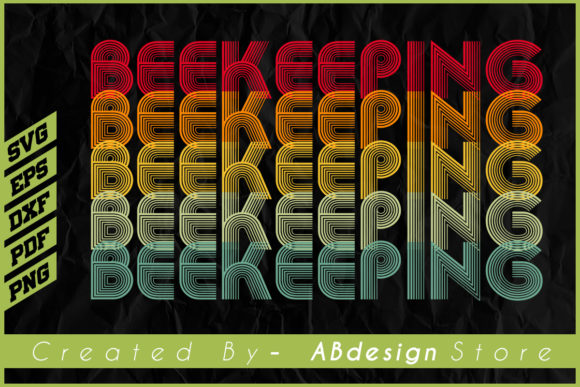
Vintage Retro Beekeeping Sublimation
When I first opened the folder for Vintage Retro Beekeeping Sublimation, my initial reaction wasn't about the file formats or the DPI count. It was about the mood. There is a specific, nostalgic warmth to this design that immediately transports you to a sunny afternoon in an old-fashioned apiary. As someone who has reviewed hundreds of embroidery files for everything from boutique branding to personalized gifts, I can tell you that capturing a retro aesthetic without it looking dated is a delicate balance. This design hits that sweet spot with a visual personality that feels both artisanal and approachable.
The layout suggests a design intended for those who appreciate the craft of beekeeping, yet it carries a broader appeal as a symbol of hard work and community. For a professional designer or a small business owner looking to expand their inventory, understanding the character of the art is just as important as knowing how to stitch it. The shape and detail level are distinct enough to stand out on a finished product but simple enough to remain legible when scaled down for smaller items like baby clothes or hat patches.
From Digital File to Finished Product
Imagine you are preparing for a busy holiday season or restocking your Etsy shop. You need a piece of merchandise that tells a story. Let's say you decide to create a custom embroidered tote bag for a local farmer's market or a specialized gift set for a new hobbyist. This is where Vintage Retro Beekeeping Sublimation shines. The design works exceptionally well as a central focal point on canvas totes or heavy-duty aprons.
However, the transition from a digital graphic to a stitched reality requires careful planning. If you are using this as a machine embroidery design, you must consider how the stitches will interact with the fabric texture. On a sturdy cotton canvas tote, the design would likely hold its structure beautifully, allowing the details of the bee and the vintage elements to pop against the natural weave. But if you were to apply this to a thin, stretchy fabric like a jersey t-shirt without proper stabilizer, the tension could distort the retro lines, ruining the intended vintage look.
I often test designs by creating a quick black and white mockup before committing to thread colors. In this scenario, checking the contrast is vital. The design relies on clear shapes to convey its message. If the background fabric is dark, you will need high-contrast thread choices to ensure the intricate details aren't lost in the stitching. Conversely, on light fabrics, the design offers a softer, more elegant appearance that fits perfectly with nursery decor or baby clothing projects.
Real-World Application and Versatility
The versatility of this design makes it a strong candidate for various commercial embroidery projects. Small shop owners often look for assets that can be adapted across multiple products without losing their charm. Vintage Retro Beekeeping Sublimation could easily transition from a sweatshirt embroidery project to a decorative pillow cover. The retro theme pairs naturally with earth tones, creams, and deep greens, making it ideal for autumn-themed collections or spring garden parties.
For those selling digital embroidery files or print templates, this design serves as a great example of how a single asset can drive engagement. A printable mockup featuring this design on a kitchen towel or a patch can significantly boost buyer interest. The "vintage" aspect adds a layer of perceived value; customers often associate retro styles with higher quality and timeless appeal. When used correctly, it elevates a standard handmade product into something that feels curated and special.
Consider a scenario where you are creating a branded line for a beekeeping supply store. Using this design on caps or hats requires attention to the curvature of the surface. While the design is robust, placing it on a curved cap demands precise digitizing to ensure the text and graphics don't warp unnaturally around the seam. It is a beautiful choice for a flat surface like a wall hanging or a large patch, but for curved surfaces, you might want to simplify the layout slightly.
Practical Considerations for Designers
Before you hit the "stitch" button, there are several practical factors to evaluate. First, always test the design on scrap fabric. This step is non-negotiable for any serious crafter or designer. You need to verify the stitch density and see how the threads lay against your chosen material. Some retro designs use dense fill stitches that can create a stiff feel, which might not be desirable for soft baby garments or comfortable loungewear.
Hoop size is another critical element. If your target product is a small item like a baby bib or a tiny patch, you must confirm that the design fits within your smallest hoop without cutting off essential details. The description mentions specific pixel sizes, but actual embroidery dimensions depend on the stitch count and the fabric type. Always measure your hoop area carefully to avoid frustration during production.
Stabilizer selection cannot be overlooked. For textured fabrics or lightweight materials, the right backing ensures the design sits flat and doesn't pucker. If you are working with a commercial embroidery setup, consistency is key. Every batch of products should look identical, so testing your process on a few samples before mass production is essential for maintaining customer trust.
Additionally, pay close attention to the licensing terms. Since this is a digital download, you need to know exactly what rights you have regarding selling finished items. Are you allowed to sell the physical goods made from this design? Can you modify the file for different clients? These questions determine whether the asset fits your business model. If the license is unclear, reach out to the creator or check the documentation provided with the SVG, EPS, PNG, DXF, or PDF files.
Where Caution is Required
While Vintage Retro Beekeeping Sublimation is a strong design, it is not a universal fit for every situation. Avoid using it on very small areas where the details might get lost in the stitching. Tiny lettering or fine lines can become muddy if the resolution isn't perfect or if the fabric is too coarse. Similarly, on stretchy knits, the design might shift over time if not stabilized correctly, leading to a distorted final product.
Dark fabrics present another challenge. If the design relies on light thread colors for highlights, they may not show up well against a black background unless you use a high-density underlay or a lighter base fabric. Always inspect the design in grayscale to understand how the values will translate in thread form. This helps prevent surprises when the machine starts running.
In conclusion, this design offers a charming, vintage vibe that resonates well with crafters and entrepreneurs alike. Whether you are creating a personalized gift for a friend or building a brand identity for a boutique, Vintage Retro Beekeeping Sublimation provides a solid foundation. By paying attention to fabric choice, stabilization, and licensing, you can transform this digital asset into a high-quality finished product that delights customers and stands the test of time. Remember, the best embroidery projects come from thoughtful preparation and a keen eye for detail.