Vintage Retro Beer Pong Sublimation Review
As someone who has spent years stitching custom apparel and reviewing digital assets for small businesses, I approach every new download with a mix of excitement and skepticism. Today, I am putting Vintage Retro Beer Pong Sublimation through the wringer to see if it truly belongs in a professional embroidery workflow or if it is better left as a simple print template. The product listing describes this as a Graphics asset under the Print Templates category, offering SVG, EPS, PNG, DXF, and PDF files. However, the description contains a confusing note stating it is "for sailing lovers," which immediately raises a red flag about file accuracy versus marketing copy.
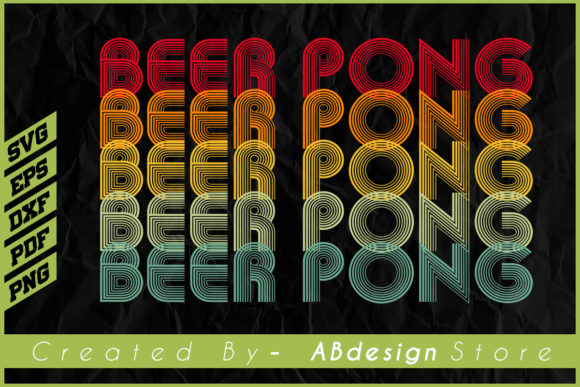
In my experience, clarity is the first step to a successful embroidery project. Before I even open the software to convert this into a machine-ready format, I need to know what I am working with. The title suggests a classic, nostalgic theme perfect for a bar, a party, or a casual gathering, but the text claiming it is for sailors suggests a potential mismatch between the visual design and the metadata. If you are an Etsy seller or a craft business owner, this kind of inconsistency can lead to customer returns and negative reviews. Let us assume the visual matches the title: a vintage beer pong aesthetic. How does that translate to thread on fabric?
I recently had a client request a custom embroidered tote bag for a summer festival. They wanted something fun, retro, and conversation-starting. My first thought was to test Vintage Retro Beer Pong Sublimation on a heavy cotton canvas. The mood created by the design is playful and energetic. It naturally fits a casual vibe rather than a formal event. When I laid out the vector paths, the layout felt balanced, making it ideal for a chest pocket placement on a sweatshirt or a centered motif on a tote bag. However, the transition from a flat digital graphic to a textured stitched surface is where many designs fail.
The real test comes down to stitch density and detail level. In a custom apparel scenario, such as a baby onesie or a nursery pillow cover, fine lines can easily get lost in the fabric weave. If this design relies heavily on tiny text or intricate corners, it might look muddy once stitched. I recommend checking the stitch density before finalizing your order. High-density areas can cause puckering, especially on thin fabrics like jersey or lightweight tees. For a handmade product to look professional, the satin stitch must be clean, and the fill stitch should lay flat without gaps. If the original vector includes too much detail, you may need to simplify the design in your digitizing software to ensure the finished product holds up to wear and tear.
Consider the target audience for this piece. A small shop product featuring Vintage Retro Beer Pong Sublimation would likely appeal to college students, young adults, or anyone looking for a unique gift. Imagine a set of matching aprons for a home brew club or a batch of embroidered patches for a motorcycle gang's reunion. The retro aesthetic works well for these groups because it evokes nostalgia. However, if you are targeting a corporate client or a luxury boutique, this design might feel too casual. Brand consistency is key; if your shop sells high-end linen goods, a loud beer pong graphic could clash with your brand identity.
There are specific scenarios where this design requires caution. If you plan to use this on a curved surface like a cap or a hat, the distortion of the design during stitching can ruin the symmetry. Curved surfaces demand a lower profile design with fewer running stitch elements to prevent the fabric from bunching up. Similarly, dark fabrics present a challenge. Without a proper underlay or a contrasting thread color, the details of the design might disappear into the background. I always advise testing on scrap fabric first. This is non-negotiable for any serious commercial embroidery work. You need to see how the thread colors interact with the specific fabric texture you intend to use.
For those selling digital downloads, the confusion in the product description regarding "sailing lovers" is a significant hurdle. If you are listing this as a digital embroidery file, you must ensure the visual preview matches the actual content. Misleading descriptions can damage your reputation as a creative entrepreneur. Buyers expect accuracy. If the file contains a sailboat instead of beer pong, or vice versa, the resulting frustration will outweigh any profit from the sale. Always verify the design assets before uploading them to your storefront. A clear printable mockup showing the design on various products can help manage customer expectations and reduce support inquiries.
When integrating this into a personalized gift, think about the recipient's lifestyle. Is this person a host who loves hosting parties? Do they have a man cave or a game room? The design fits perfectly there. But if you are creating a holiday gift, consider the timing. A beer pong theme might be perfect for a summer barbecue invitation or a bachelor party, but less suitable for a Christmas stocking unless paired with other seasonal elements. Versatility is a strong trait in a graphics package. If the file allows for easy resizing and color changes, it becomes a valuable tool for your embroidery designer toolkit.
Let us talk about the technical side of things. The listing mentions 300 DPI PNG files, which are excellent for printing, but for machine embroidery, the vector formats (SVG, DXF) are far more critical. Ensure that the vectors are closed and clean. Open paths can cause errors in your digitizing software. Also, check the hoop size requirements. If the design is larger than 5x7 inches, you may need to split it or use a larger hoop, which limits the types of garments you can embroider. For a tote bag design, a 4x4 or 5x7 hoop is usually sufficient, but for a full-back sweatshirt design, you will need a larger frame. Confirm these dimensions before committing to a bulk run.
Finally, consider the longevity of the item. Embroidered patch applications or items that require frequent washing need robust stitching. If the design relies on long floating stitches, they may snag or break after a few wash cycles. Use a proper stabilizer to support the fabric during the process. This ensures the visual appeal remains intact over time. A well-executed design builds customer trust and encourages repeat business. If the stitching looks sloppy, no amount of marketing will save the sale. Conversely, a clean, crisp application of Vintage Retro Beer Pong Sublimation can elevate a simple t-shirt into a premium item.
Before you finalize your purchase or start your next craft fair booth, take a moment to review the licensing terms. Some digital product sellers restrict commercial use, meaning you cannot sell finished items made from the design. Others allow it but require attribution. As a small business owner, understanding these rules is essential to avoid legal trouble. If the license is unclear, reach out to the creator. It is better to ask now than to face a cease-and-desist letter later.
In conclusion, Vintage Retro Beer Pong Sublimation has the potential to be a standout piece for casual, fun projects. Its retro vibe resonates well with modern trends in streetwear and party culture. However, the conflicting description regarding sailing themes requires immediate attention. Once that is resolved, and assuming the vector quality is high, this design can serve as a versatile asset for apparel decorators and makers. Test it thoroughly, respect the limitations of the fabric, and let the craftsmanship shine. A great design is only as good as the execution behind it.