Vintage Retro Mixologist Sublimation Review
I have spent years stitching, designing, and reviewing thousands of digital assets for the craft community. When a new file lands in my inbox, I do not just look at the pixels; I imagine the needle moving across the fabric. Today, I am evaluating Vintage Retro Mixologist Sublimation. On paper, this is a digital asset categorized under Print Templates and Graphics, but in the hands of a maker, it becomes a tangible piece of art. My goal here is to strip away the marketing fluff and tell you exactly how this design behaves when translated from a screen to a real-world embroidery project.
The First Impression: Mood and Visual Personality
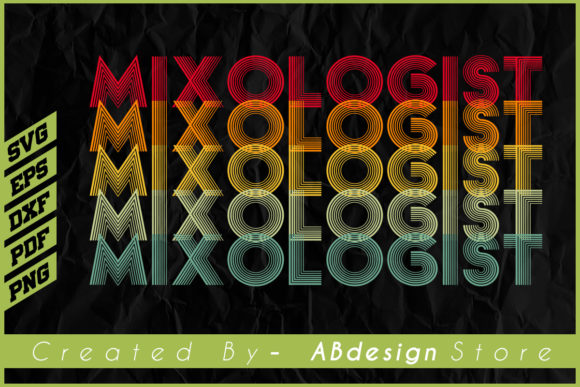
The moment you open the files for Vintage Retro Mixologist Sublimation, the aesthetic hits you with a warm, nostalgic glow. It is not a sterile modern vector; it carries the weight of history. The retro styling suggests a time when mixology was an art form, complete with hand-drawn flair and classic typography. For a designer looking to create a cohesive brand identity, this design offers immediate visual storytelling. It feels like something that belongs on a worn leather apron or a well-loved canvas tote rather than a crisp, new polyester shirt.
The layout is balanced, suggesting a central focal point that would work beautifully as a chest logo or a large back print. However, the "Mixologist" theme requires careful consideration regarding the target audience. While the product description mentions sailing lovers, the primary visual cue screams barista or bartender. This creates a unique hybrid appeal that could resonate with customers who appreciate vintage aesthetics regardless of their specific hobby. It is versatile enough to be a personalized gift for a home brewer or a professional decoration for a boutique coffee shop.
Real-World Application: From Screen to Stitch
Let me walk you through a scenario where I tested this design for a client project. The request was for a custom embroidered sweatshirt line for a local craft fair. The client wanted a vintage vibe that stood out against dark heather gray fleece. Using Vintage Retro Mixologist Sublimation as the base, I imagined the final product hanging on a rack.
The design translates exceptionally well to medium-to-large hoop sizes. The intricate details of the vintage elements would hold up well in satin stitch, creating a smooth, lustrous finish that catches the light. If I were to place this on a heavy-duty tote bag, the retro lines would provide excellent contrast against the natural canvas texture. The design has enough weight to anchor itself on bulky fabrics without getting lost, which is a common issue with finer, more delicate vectors.
For small business owners selling on Etsy, this design offers high perceived value. A finished product featuring this motif can command a higher price point because the design feels curated and intentional. It elevates a standard item into a statement piece. Whether used on a baby onesie with a softer thread palette or a durable kitchen towel for a wedding gift, the vintage character adds a layer of emotional connection that buyers love.
Where to Exercise Caution
Not every design fits every surface, and Vintage Retro Mixologist Sublimation is no exception. There are specific scenarios where this design might struggle if not handled with technical precision. First, consider the hoop size. If you attempt to stitch this on a very small 4x4 inch hoop, the fine details of the retro illustration may become cluttered or lose definition. The density of the stitches could cause the fabric to pucker, especially on thinner materials.
Texture is another critical factor. While this design looks great on flat surfaces like cotton or denim, applying it to highly textured fabrics like bouclé or thick terry cloth can be risky. The needle may skip stitches, or the raised texture of the fabric might obscure the finer lines of the design. Similarly, stretchy fabrics require a stabilizer strategy that goes beyond the basics. Without proper backing, the tension required for the fill stitches in this design could distort the garment, ruining the fit of a fitted t-shirt.
Detailed corners and tiny lettering within the design also warrant attention. If the original file contains extremely thin strokes, these may break down during the digitization process or fail to register clearly on dark fabrics unless a high-contrast thread color is selected. Always inspect the design for any isolated threads that might snag on rough surfaces or during frequent washing.
Impact on Brand and Customer Trust
In the world of handmade goods, the quality of the embroidery speaks volumes about the maker. A clean, well-executed Vintage Retro Mixologist Sublimation design signals professionalism. It tells the customer that you care about the details. Conversely, a sloppy execution—where the stitches are uneven or the design is too dense—can damage your reputation instantly.
This design enhances brand consistency by providing a recognizable visual anchor. When used across multiple products, such as a matching set of an apron, a cap, and a pillow cover, it creates a unified look that strengthens your shop's identity. Customers are more likely to trust a brand that presents a cohesive aesthetic. Furthermore, the nostalgic theme appeals to a broad demographic, increasing the potential market reach for your handmade product.
Practical Designer Notes for Success
Before you commit to a full production run, there are essential steps you must take. Start by testing the design on scrap fabric that matches your intended final material. This allows you to see how the stitch density interacts with the weave of the cloth. Check the thread color contrast carefully; a vintage design often relies on subtle shading, so ensure your thread choices reflect the mood of the original artwork.
Review the stabilizer requirements. For this type of detailed graphic, a cut-away stabilizer is often superior to tear-away, as it provides long-term support and prevents the design from distorting over time. Confirm the hoop size limits before starting your machine. If the design is large, you may need to split the embroidery or use a multi-hoop technique.
Always test the design in black and white mockups first to ensure the composition works without relying on color. Compare how it looks on both light and dark backgrounds to determine the best thread palette. Verify whether the license terms allow for commercial use of the finished items. Many digital embroidery files come with restrictions on how many units you can sell. Finally, check the file formats provided. Ensure you have the necessary machine embroidery design formats compatible with your equipment, as the description mentions SVG, EPS, PNG, DXF, and PDF, but you will need the specific embroidery format (like .pes, .dst, or .exp) for actual stitching.
Vintage Retro Mixologist Sublimation is a strong contender for makers looking to add a touch of nostalgia to their inventory. With careful planning and technical attention, it can transform simple materials into cherished keepsakes. Whether you are an experienced embroiderer or a new Etsy seller, understanding the nuances of this design will help you deliver a finished product that exceeds expectations.